+1 (888) 885-5991|impact@theailab.org|info@theailab.org

AI Trust Council™

The institution behind the global AI trust standard.

The Council is the public-record-keeping, parameter-setting, and dispute-adjudicating body for the Trust Identity Protocol. Five constituencies, equal voice, one protocol.

A journalist in Nairobi has the same protocol vote as a Fortune 500 platform in San Francisco. Governance power comes from your role in the ecosystem, not the size of your check. Public Charter. Public ceremony every June 1. Every decision immutably recorded on the federated DAG.

On the record ·Founded May 3, 2026  ·  Five constituencies  ·  Five constitutional principles  ·  Annual Trust Summit

Charter · Article 0 · Preamble

We, the five constituencies of the AI Trust Council

recognising that the most consequential question of our era is no longer whether a piece of content was published, but whether the person who signed it was real, and whether their claim about how it was made is true,

and recognising that the answer to this question must not be controlled by any single company, country, regulator, or platform, but must instead be sustained by a public-record-keeping body that is open in its participation, transparent in its proceedings, and immutable in its recordings,

do hereby establish the AI Trust Council as the constitutional body responsible for the Trust Identity Protocol, with equal voting weight across creators, institutions, publishers, operators, and partners, governed by the five Constitutional Principles articulated in Article I of this Charter, with public proceedings, public records, and the right of any individual or organisation in any jurisdiction to participate on equal terms.

Charter · Article I · The Five Constitutional Principles

Five articles.
Unamendable by simple majority.

These are the foundation of the Council and the protocol. They can be amended only by a 4-of-5 supermajority of constituencies and only after a public consultation period of no less than ninety days.

I

Equal Voice

One constituency, one vote on protocol matters. Five seats. No constituency can override the other four.

II

One Person, One Identity

Every TIP-ID corresponds to a single verified human being. The cryptographic deduplication of identity is sacrosanct.

III

Public Lookup, Forever

The AI Trust Registry is free for everyone to query, in every jurisdiction, in perpetuity. No paywall, no rate limit, no authentication.

IV

Open Specification

The TIP Protocol specification is licensed under Creative Commons Attribution 4.0. Any party may read, implement, fork, or compete with the protocol.

V

No Single-Entity Capture

No company, country, individual, or interest group controls the Council. Governance power flows from constituency role, not capital.

All five articles · amendable only by 4-of-5 supermajority + 90-day public consultation

Article II · The Five Constituencies

Five seats.
Equal voice.

Each constituency represents a distinct role in the TIP Protocol ecosystem. All five carry equal governance weight on protocol matters. Within each constituency, one member casts one vote. The Council can act only with majority approval from at least three of five constituencies.

  • Constituency 1

    Creators

    Free

    Individual content creators, journalists, researchers, artists, photographers, writers, podcasters, scientists.

    Why join

    A real protocol vote regardless of your economic size. Your vote weighs the same as a Fortune 500 platform's.

    Examples

    • Journalists & reporters
    • Academic researchers
    • Independent artists
    • Documentary filmmakers
    • Open-source contributors
    Apply
  • Constituency 2

    Institutions

    Free

    Universities, newsrooms, NGOs, governments, libraries, museums, research institutes, civil society organisations.

    Why join

    Legitimacy signal for institutional AI deployments. Your participation anchors the protocol to public-interest stewardship.

    Examples

    • Universities
    • Public-service newsrooms
    • Research institutes
    • Government agencies
    • Cultural institutions
    Apply
  • Constituency 3

    Publishers

    Tier-based

    Companies and organisations that deploy TIP Protocol to verify and sign published content at commercial scale.

    Why join

    Market differentiation in an era of AI-generated content. Participation in the parameter votes that affect your products.

    Examples

    • Media companies
    • Content platforms
    • Publishing houses
    • Streaming services
    • Enterprise content producers
    Apply
  • Constituency 4

    Operators

    By accreditation

    Verification Providers (all categories), node operators, federated-infrastructure providers, accredited audit firms.

    Why join

    Accreditation is the gateway to operating in the federated network. Regulated-market access on equal terms.

    Examples

    • Verification Providers
    • Federated DAG node operators
    • Infrastructure providers
    • Audit & accreditation firms
    • Certificate authorities
    Apply
  • Constituency 5

    Partners

    Partnership agreement

    Large platforms, enterprise integrators, standards bodies, cross-industry consortia, sovereign governance partners.

    Why join

    A seat at the table where the global AI trust standard is written. Shape the future of the protocol with the rest of the world.

    Examples

    • Major platforms (web, social, AI)
    • Standards bodies (IEEE, ISO)
    • Industry consortia
    • Sovereign governance partners
    • Enterprise integrators
    Apply
The Seated Council

Meet the Members.

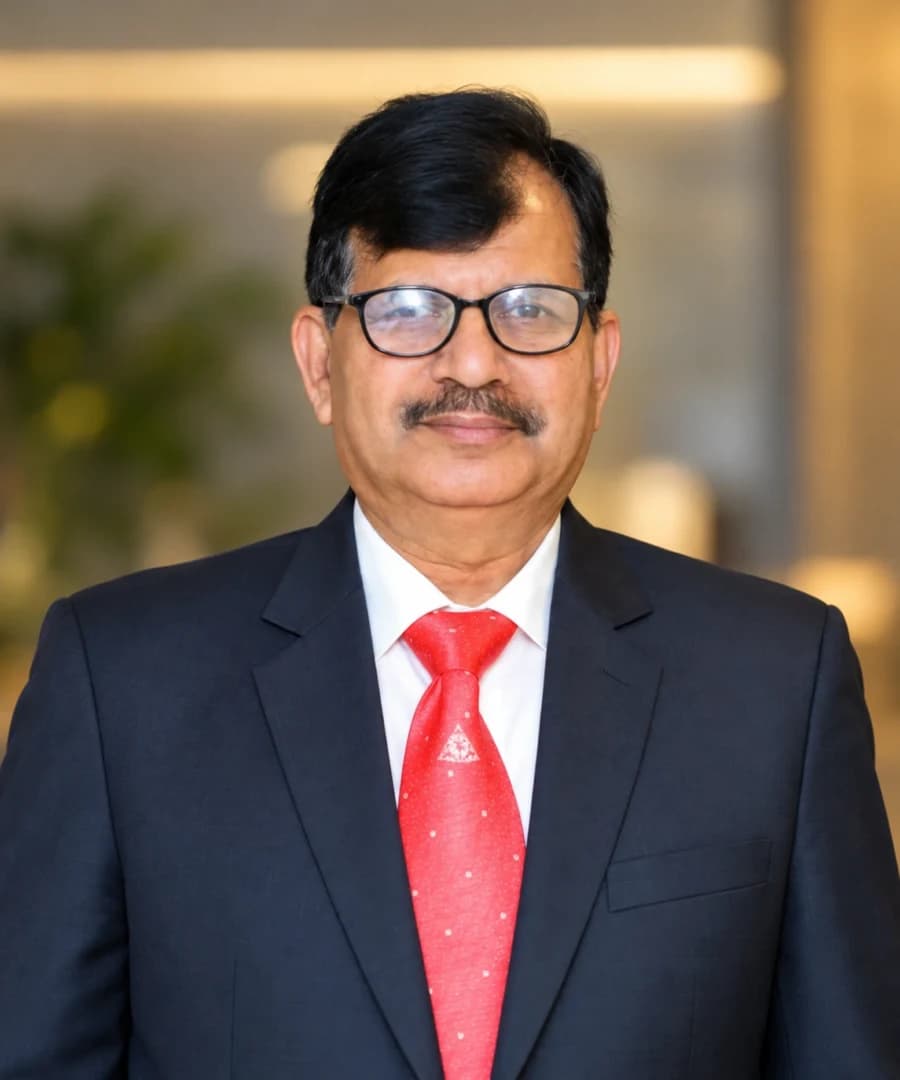
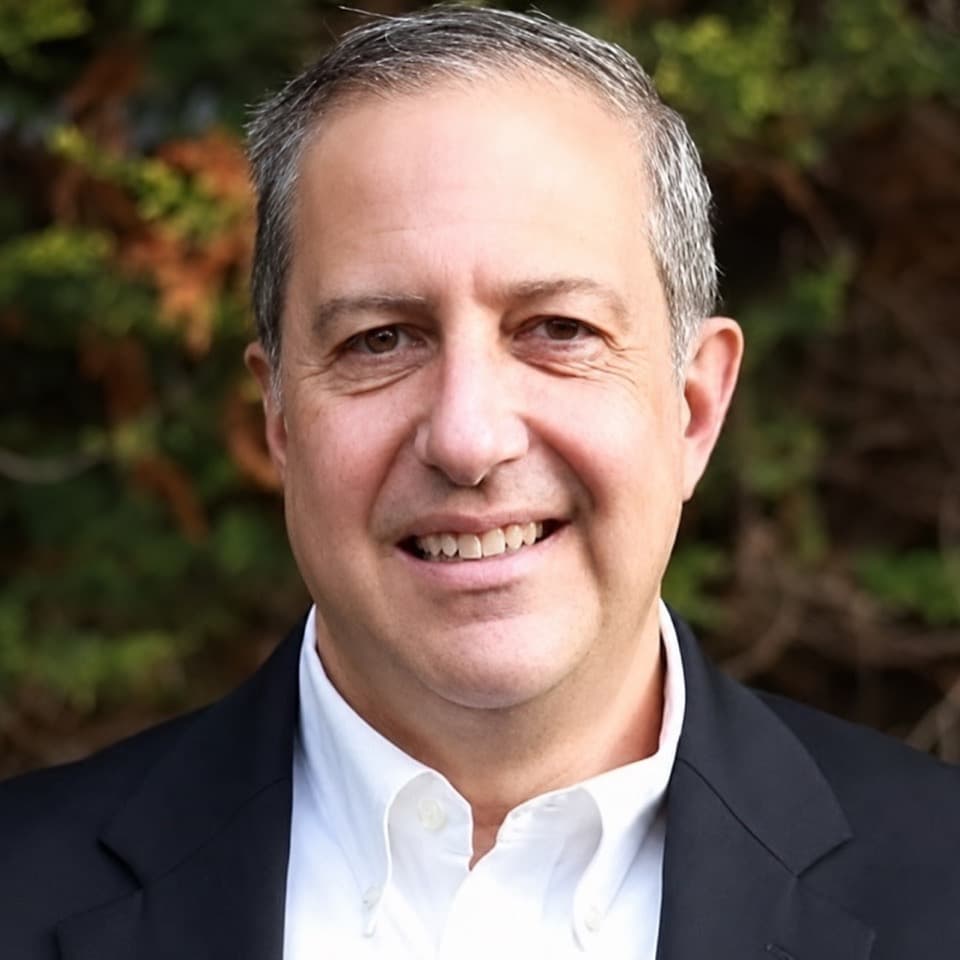
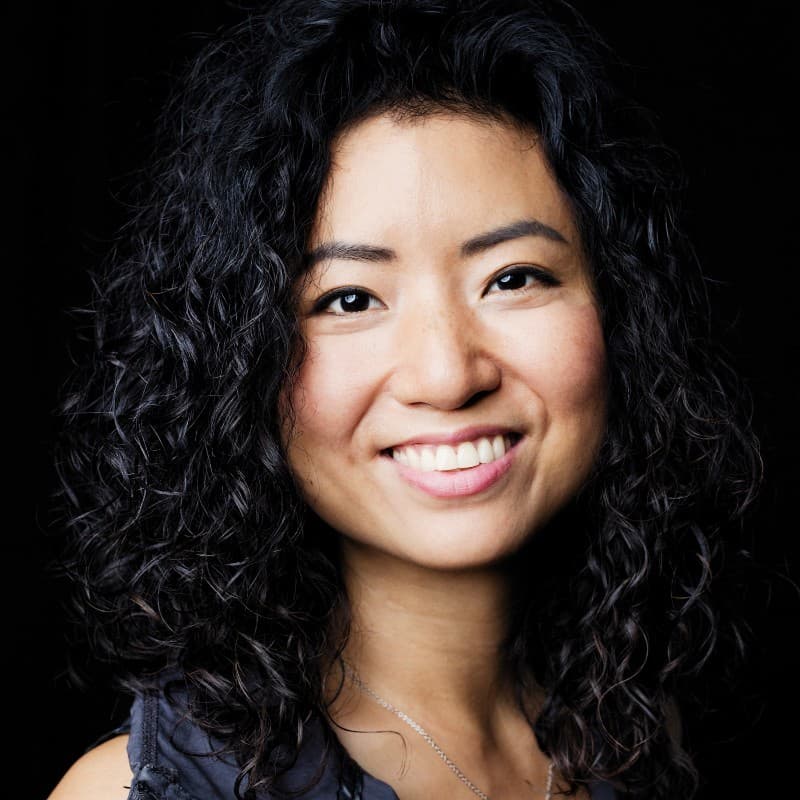
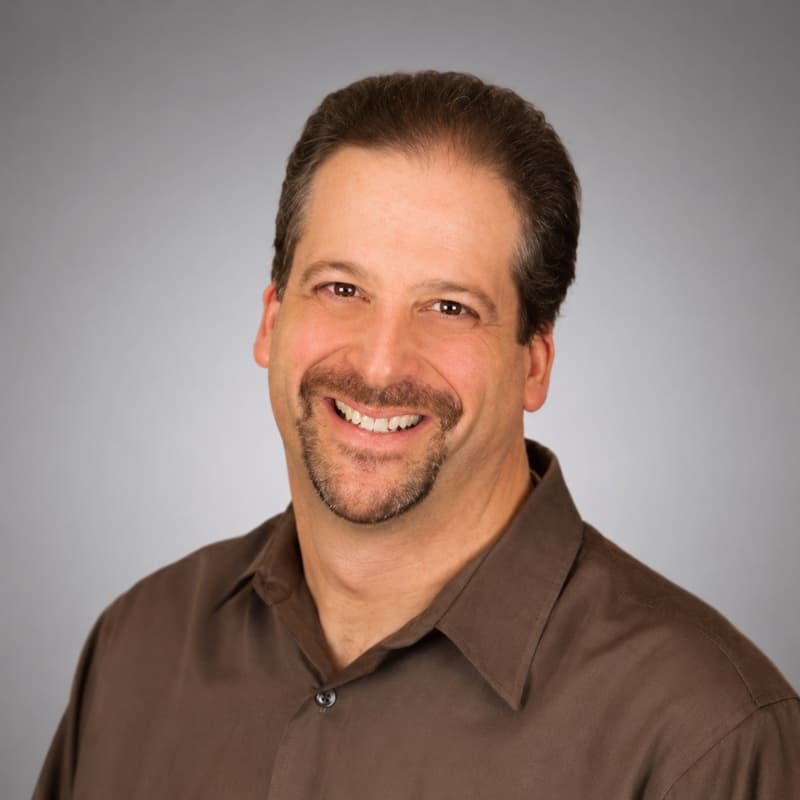
The independent stewards of the Trust Identity Protocol, drawn from higher education, research, journalism, fact-checking, enterprise AI law, and the creator industries. Each seat is named, sourced, and publicly disclosed.

11
Joining Members
5
Continents represented
The Advisory Board

Subject-matter experts who advise the Council on specific workstreams. Their role is consultative.

Charter · Article III · Standing Committees

Four committees.
One mandate each.

The operational work of the Council is delegated to four Standing Committees. Each committee draws members from across the five constituencies and reports to the full Council at the Annual Trust Summit.

  • 01Standing Committee

    Accreditation Committee

    Admits Verification Providers and Node Operators. Audits compliance with security baselines, jurisdiction requirements, and the VP Code of Conduct. Revokes accreditation for substantiated misconduct under Section 6.5 of the protocol.

    Cadence · Quarterly accreditation reviews + ad hoc urgent revocations.

  • 02Standing Committee

    Standards Committee

    Maintains the TIP Protocol specification (CC-BY 4.0). Proposes and reviews protocol parameter changes, the Trust Score formula, the Origin Code taxonomy, and cryptographic primitive rotation. Coordinates with ISO, NIST, ENISA, ITU, IETF, and W3C.

    Cadence · Continuous. Parameter changes ratified at the Annual Trust Summit.

  • 03Standing Committee

    Trust & Safety Committee

    Operates Trust Tribunals for Origin Code disputes, repeat-infringer cases, and VP misconduct allegations. Coordinates with law enforcement under Section 15.24 of the protocol Terms. Publishes the annual Trust & Safety transparency report.

    Cadence · Tribunal panels rotate monthly; transparency report annual.

  • 04Standing Committee

    Public Interest Committee

    Ensures equitable global access. Oversees free-tier sustainability for Creators and Institutions. Runs the annual Public Access Report. Holds the public-record commitments (warrant canary, funding disclosure, decision archive).

    Cadence · Continuous. Public Access Report published every May 3.

Charter · Article IV · The Annual Cycle

One year.
Five public moments.

The Council operates on a predictable annual rhythm. Each moment is public, recorded, and inspectable. Parameter changes propose and ratify on this cadence so that participants, regulators, and the public can plan around them.

June 1

Genesis Block Ceremony

Annual public co-signing of the protocol's parameter set for the year. Five constituencies sign cryptographically. The signed block is broadcast globally and is the immutable foundation of the year's protocol operation.

Quarterly

Standing Committee Sessions

Each committee meets quarterly in public session. Agenda, minutes, and votes are recorded on the DAG. Anyone in the world may attend as a non-voting observer.

Continuous

Trust Tribunals

Disputes are adjudicated by rotating juries drawn from the five constituencies. Tribunal decisions are recorded immutably on the DAG, subject to privacy redactions where law requires.

Late Summer

Annual Trust Summit

Multi-day public convening. Parameter changes ratified. New members admitted. AI Trust Awards conferred. Standing Committee reports presented. Anyone may attend; constituency members vote.

December 31

Year-End Public Records

Annual transparency report. Public Access Report. Trust & Safety Report. Funding disclosure. Warrant canary refresh. All decisions of the year are publicly archived.

Tap or click any moment to expand.

Charter · Article IV · Trust Tribunals

When trust is contested,
a jury of peers decides.

The Council handles disputes through Trust Tribunals. Origin Code challenges, repeat-infringer cases, and Verification Provider misconduct are adjudicated by rotating juries drawn from across the five constituencies, with public reasoning and the right of appeal.

  • Juries of peers

    Each Trust Tribunal panel is drawn at random from the five constituencies. No constituency can dominate a single panel; no panel is permanent.

  • Public record

    Tribunal decisions are recorded immutably on the DAG. Reasoning is published in plain language. Privacy redactions only where law requires.

  • Right of appeal

    Any party may appeal a Stage 2 Tribunal decision to a Stage 3 Expert Panel composed of cross-constituency reviewers, under the protocol's Section 5.4 framework.

  • Cryptographically bound

    Tribunal outcomes are signed by panelists' TIP-IDs. Anyone querying the AI Trust Registry can verify the chain of decision-making back to the panel.

Charter · Article V · The Annual Trust Summit

The world meets here.
Once a year. In public.

The Annual Trust Summit is the public convening of the AI Trust Council. Held in a different jurisdiction each year, broadcast globally, attendable by anyone, the Summit is where the Council's work for the year is ratified.

  • Parameter changes are voted on and ratified by the five constituencies
  • New Verification Providers and Node Operators are admitted by Accreditation Committee report
  • Standing Committee reports are presented to the full Council and the public
  • The Annual AI Trust Awards are conferred (launching at the 2027 Summit)
  • The Trust & Safety Report and Public Access Report are formally published
  • Proposed amendments to the Charter are read into the public record
Open to all; constituency members vote.
Charter · Article VI · Recognition

Four ways to be recognised.
No purchase required.

The Council recognises contribution, not capital. Awards are conferred by a cross-constituency selection committee and announced at the Annual Trust Summit. No award can be purchased; no constituency receives awards by quota.

  • AI Trust Award

    Annual

    Recipients

    An organisation across any constituency

    Rationale

    Exemplary stewardship of the protocol during the preceding year. Recognises decisions, contributions, or sustained operational excellence that strengthened the Council's mission.

    2027 Annual Trust Summit

  • Public Interest Recognition

    Annual

    Recipients

    An organisation or individual serving equitable access

    Rationale

    Demonstrated commitment to keeping the protocol and AI trust infrastructure accessible to under-served regions, languages, or communities.

    2027 Annual Trust Summit

  • Long-Term Stewardship Medal

    On merit

    Recipients

    Individuals or organisations with 5+ years of service

    Rationale

    Sustained contribution to the Council's standing committees, working groups, tribunals, or technical specification work.

    Earliest 2031 (five years after Genesis)

  • Founding Member Designation

    Pre-2030 only

    Recipients

    Charter signatories

    Rationale

    Time-limited recognition for those who joined a constituency before May 3, 2030, and participated in the foundational work of the Council. Cannot be conferred after the designation closes.

    Effective immediately, closes 2030-01-28

Charter · Article VII · Public Records & Transparency

What we decide is
on the record. Forever.

Trust requires transparency. The Council commits to six standing transparency obligations, each of which can be inspected, verified, or appealed by any party in any jurisdiction.

  • Meeting minutes on the DAG

    Every Standing Committee meeting publishes minutes within seven (7) days. Minutes are signed by the chair's TIP-ID and recorded immutably on the federated DAG.

  • Annual Public Records

    Three annual reports each May 3: the Public Access Report, the Trust & Safety Report, and the Transparency & Funding Report.

  • Funding disclosure

    All Council operational funding sources are publicly disclosed, including any commercial sponsorships, government grants, and partnership agreements above a published de minimis threshold.

  • Warrant canary

    The Council maintains a public warrant canary, refreshed at least quarterly, signaling the absence of legal process compelling silent disclosure of Council records.

  • Dissent recorded

    Where a constituency votes against a measure, the dissenting reasoning is recorded in the public minutes. No constituency is silenced by majority.

  • Public observer status

    Any individual or organisation in any jurisdiction may attend Standing Committee meetings as a non-voting observer. Observer registration is free.

The Mission, in One Paragraph

The internet's missing institution.

The internet has never had a constitutional body for human authorship. We have working groups for protocols, standards bodies for technology, and platforms for distribution. We have never had a public-record-keeping institution whose mission is the integrity of the question, “Who wrote this, and how?”

That question was inconvenient when content was scarce. In the age of generative AI it is existential. Whether you are a journalist filing a story, a researcher publishing findings, a teacher grading essays, a regulator drafting policy, or a citizen reading a feed, the question of authorship has moved from background fact to load-bearing infrastructure.

The AI Trust Council exists to answer that question on a public record, in every jurisdiction, on equal terms for everyone. It is the institution we did not need until now. It is the institution the next century of the internet cannot do without.


Find your seat at the table.

Apply to the constituency that matches your role in the ecosystem. Free for Creators and Institutions. Tier-based for Publishers, Operators, and Partners. Equal voice on protocol matters for all five.